Description
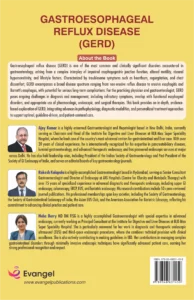
Gastroesophageal reflux disease (GERD) is one of the most common and clinically significant disorders encountered in gastroenterology, arising from a complex interplay of impaired esophagogastric junction function, altered motility, visceral hypersensitivity, and lifestyle factors. Characterized by troublesome symptoms such as heartburn, regurgitation, and chest discomfort, GERD encompasses a broad disease spectrum ranging from non-erosive reflux disease to erosive esophagitis and Barrett?s esophagus, with potential for serious long-term complications. For the practicing physician and gastroenterologist, GERD poses ongoing challenges in diagnosis and management, including refractory symptoms, overlap with functional esophageal disorders, and appropriate use of pharmacologic, endoscopic, and surgical therapies. This book provides an in-depth, evidence-based exploration of GERD, integrating advances in pathophysiology, diagnostic modalities, and personalized treatment approaches to support optimal, guideline-driven, and patient-centered care.
Only logged in customers who have purchased this product may leave a review.





Reviews
There are no reviews yet.